

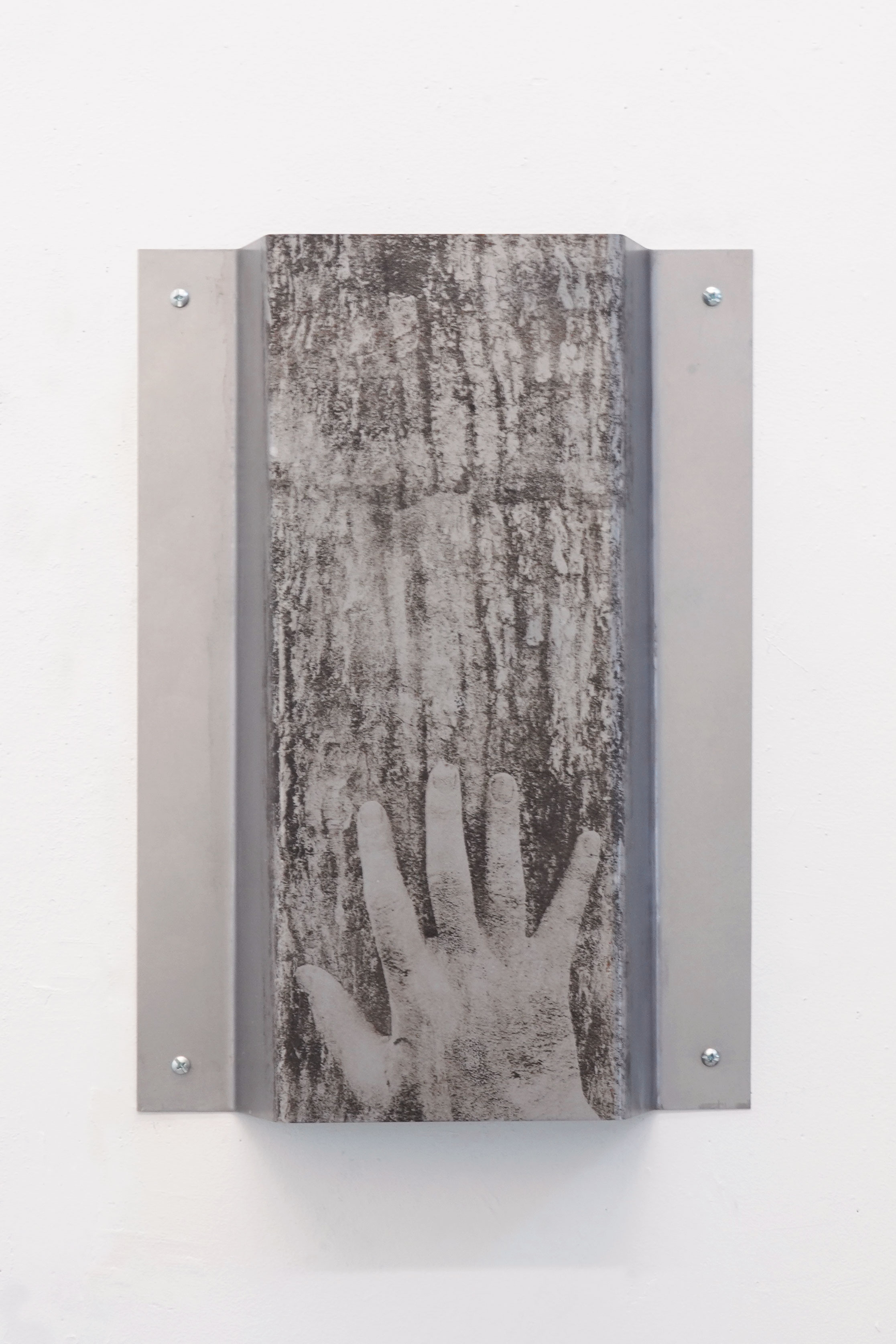
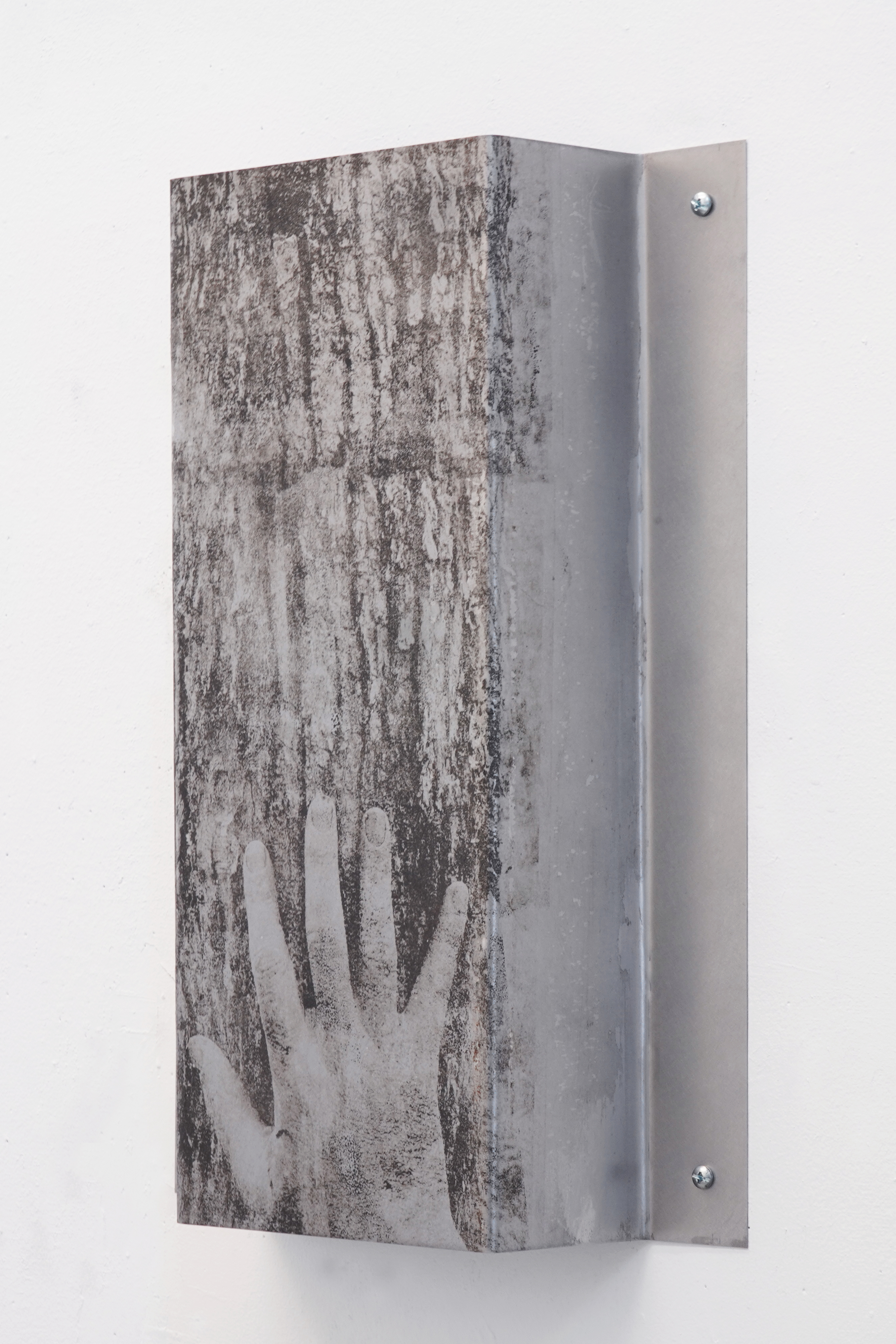
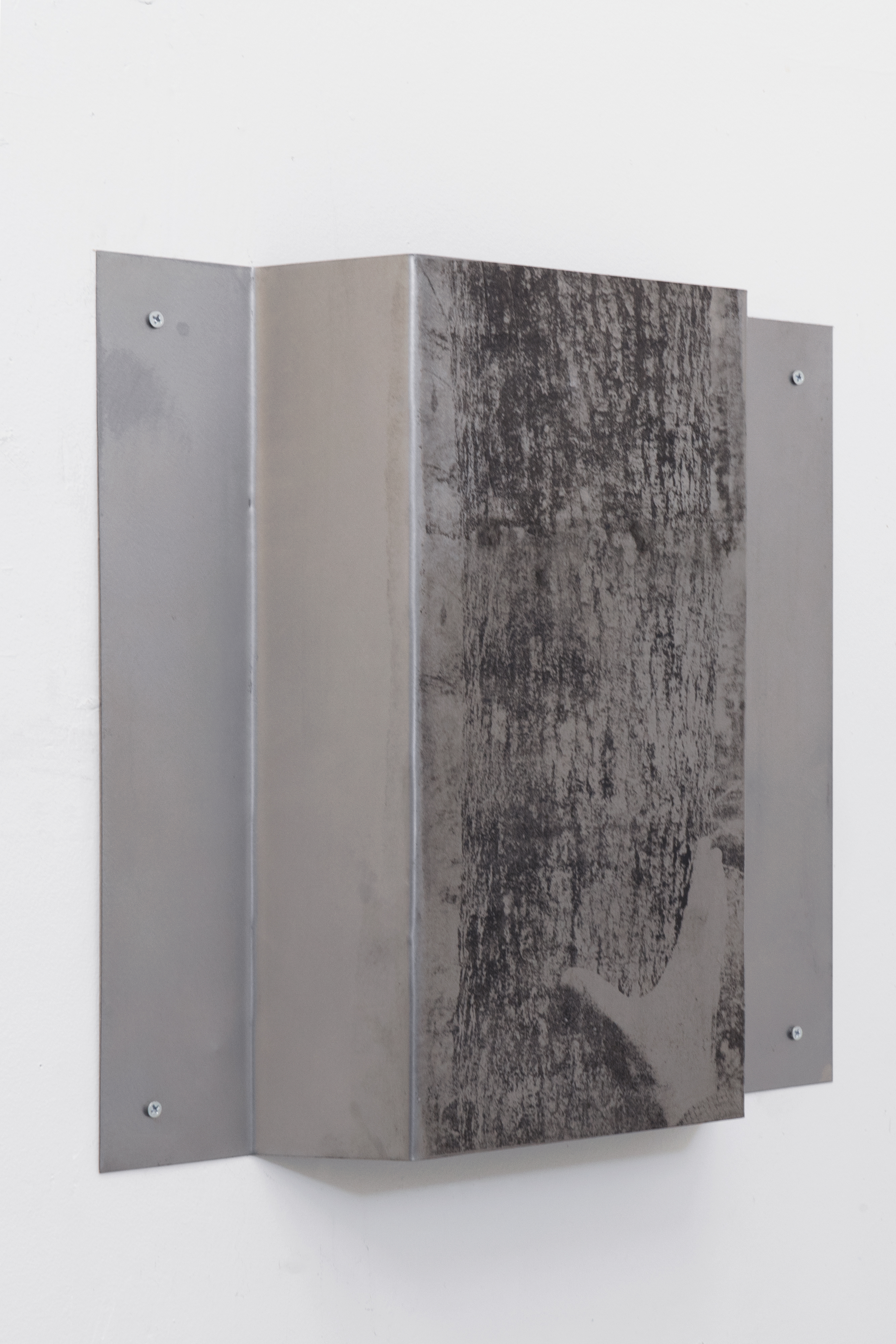
![untitled (work in progress) [detail] / 2026 / Rust screenprint, steel, spalted wood, hardware / 30 x 11 x 5 1/4 inches](https://freight.cargo.site/t/original/i/291f98efd93010b974c04474944d8a15062ea6162eaaea9d80fdbfb2fce4ae73/DSC00723.jpg)
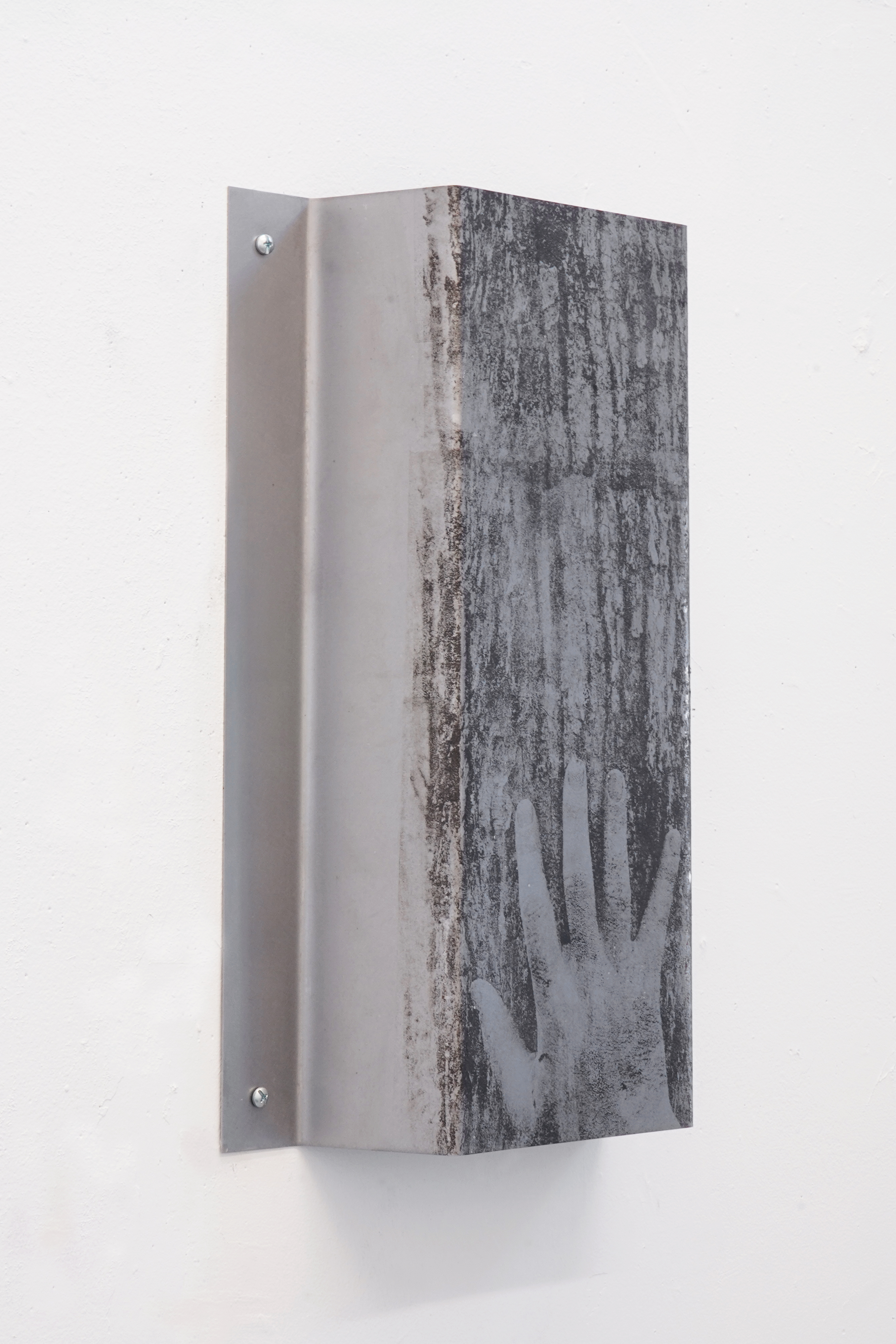
![untitled (work in progress) [detail] / 2026 / Rust screenprint, steel, spalted wood, hardware / 30 x 11 x 5 1/4 inches](https://freight.cargo.site/t/original/i/2be2697985986893e336f969de9d0b299a717d1f159face0acb8c1f7e3645f47/DSC00708_01.jpg)




Contrary
(Ongoing work), 2024 - present
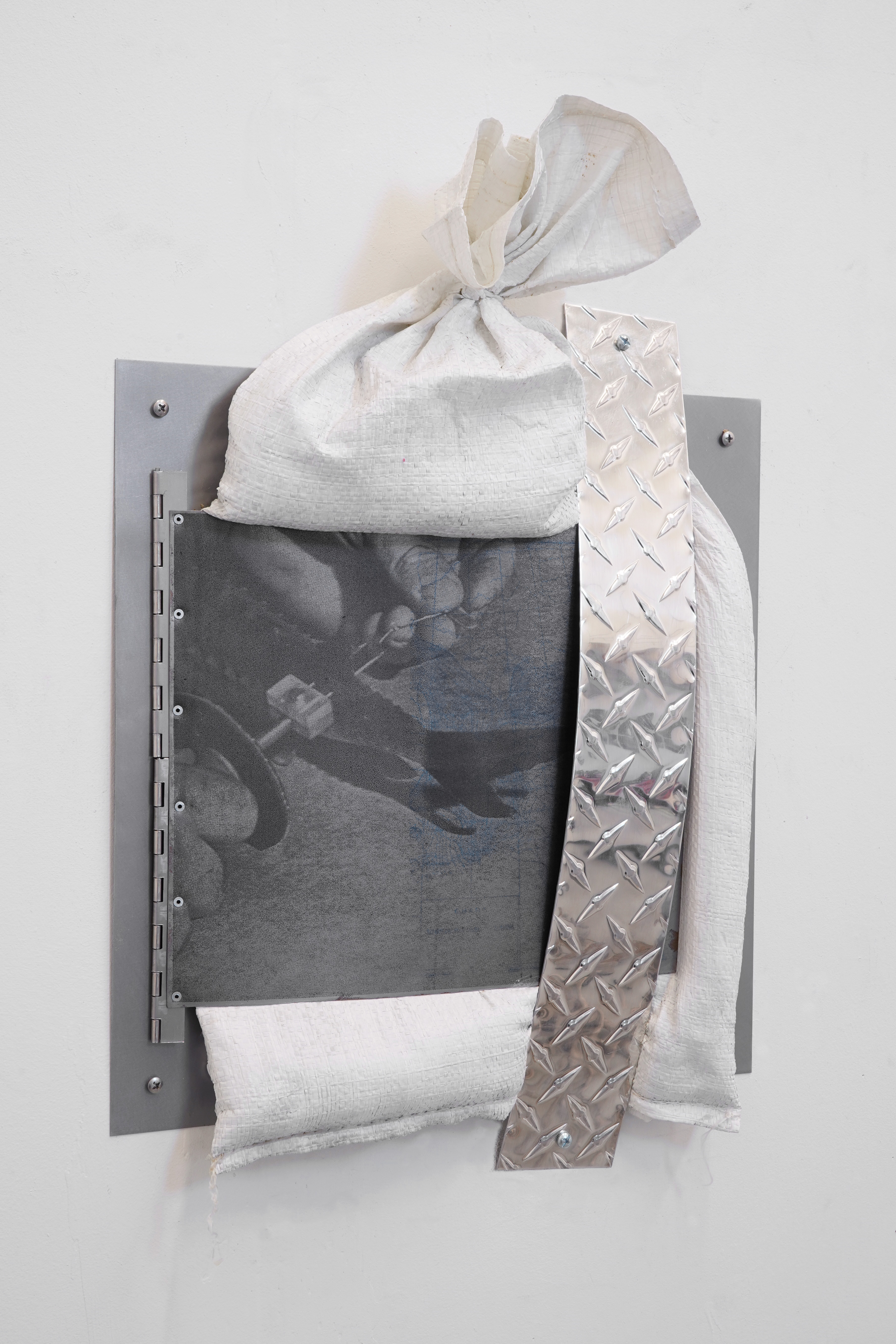
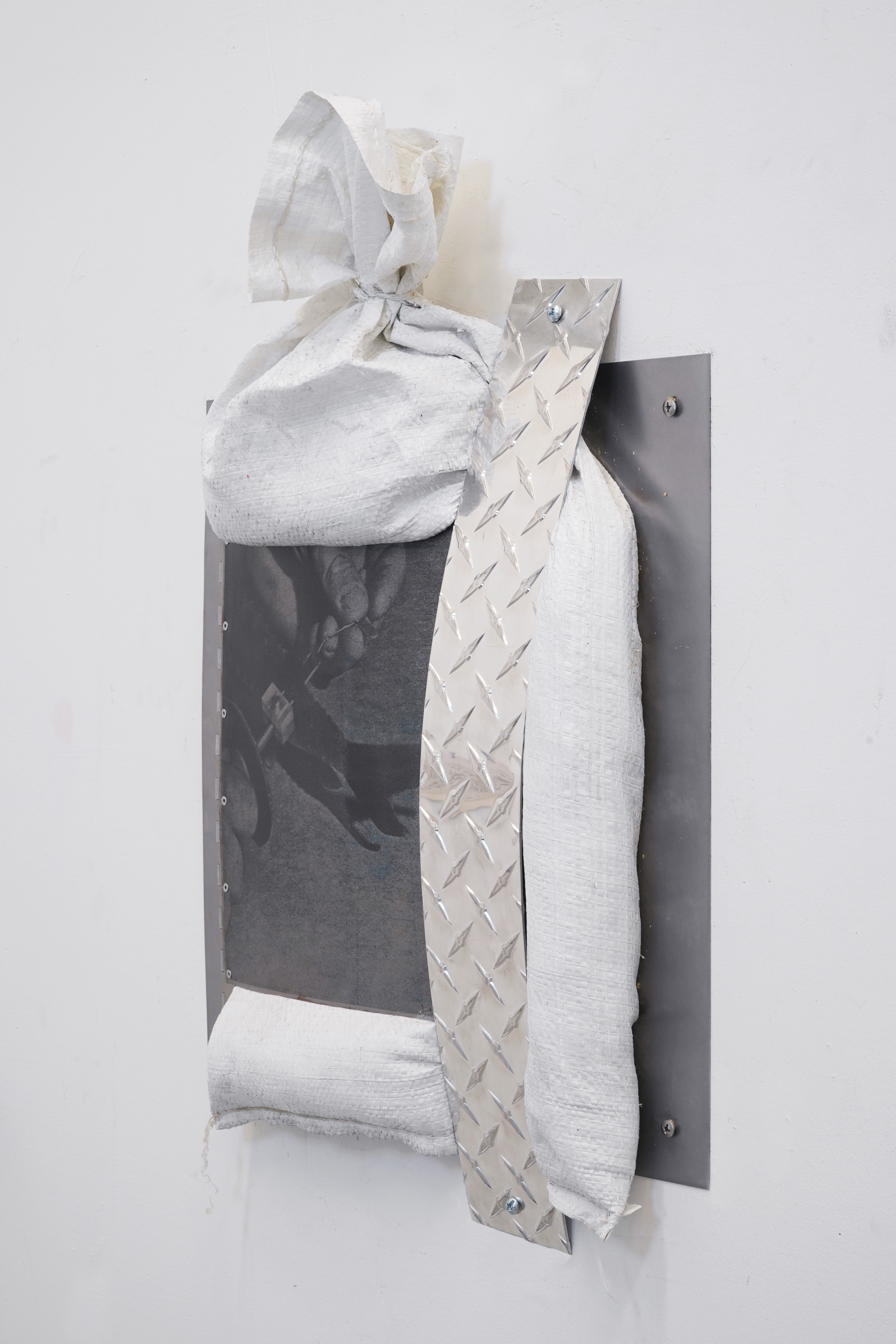
My ongoing photography and sculpture series reconsiders the Hudson River and its surrounding landscape as it empties into the bay bordering South Brooklyn by examining how human attempts to control the environment are embedded within built infrastructure. Through archival research and on-site investigation, I surface overlooked histories and material relationships that shape the river’s past and present.
Black-and-white photographs made at the northern reaches of the Hudson River in the Adirondacks focus on its connection to a mid-nineteenth-century iron ore blast furnace. These images trace the furnace’s reliance on the river for energy and the surrounding forest for raw materials, revealing an early network of extraction that continues to inform the landscape today. While photographs made at the southern end of the river of the active construction of flood barriers focus on an attempt to disconnect and protect against the river’s rising levels due to climate change.
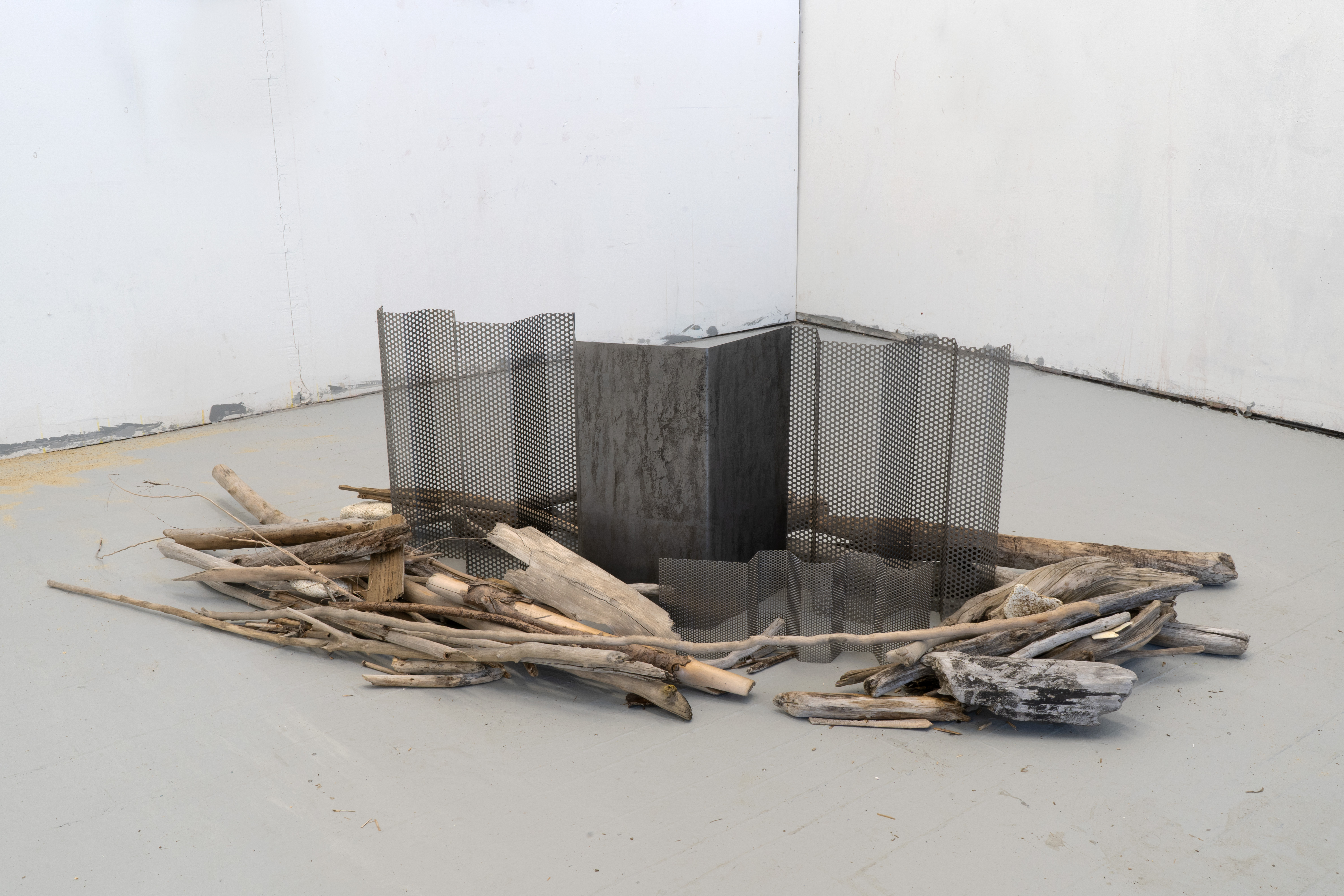
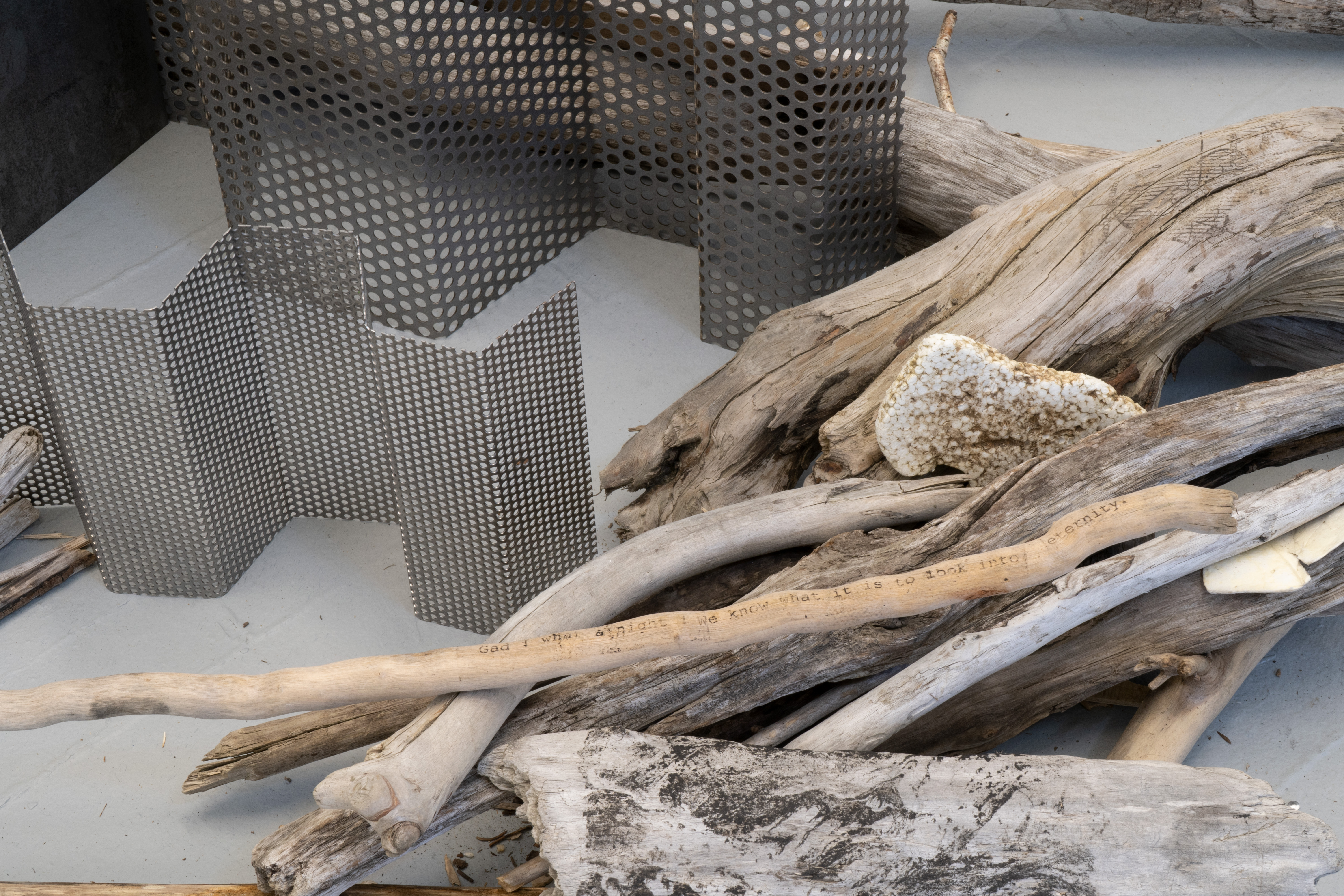
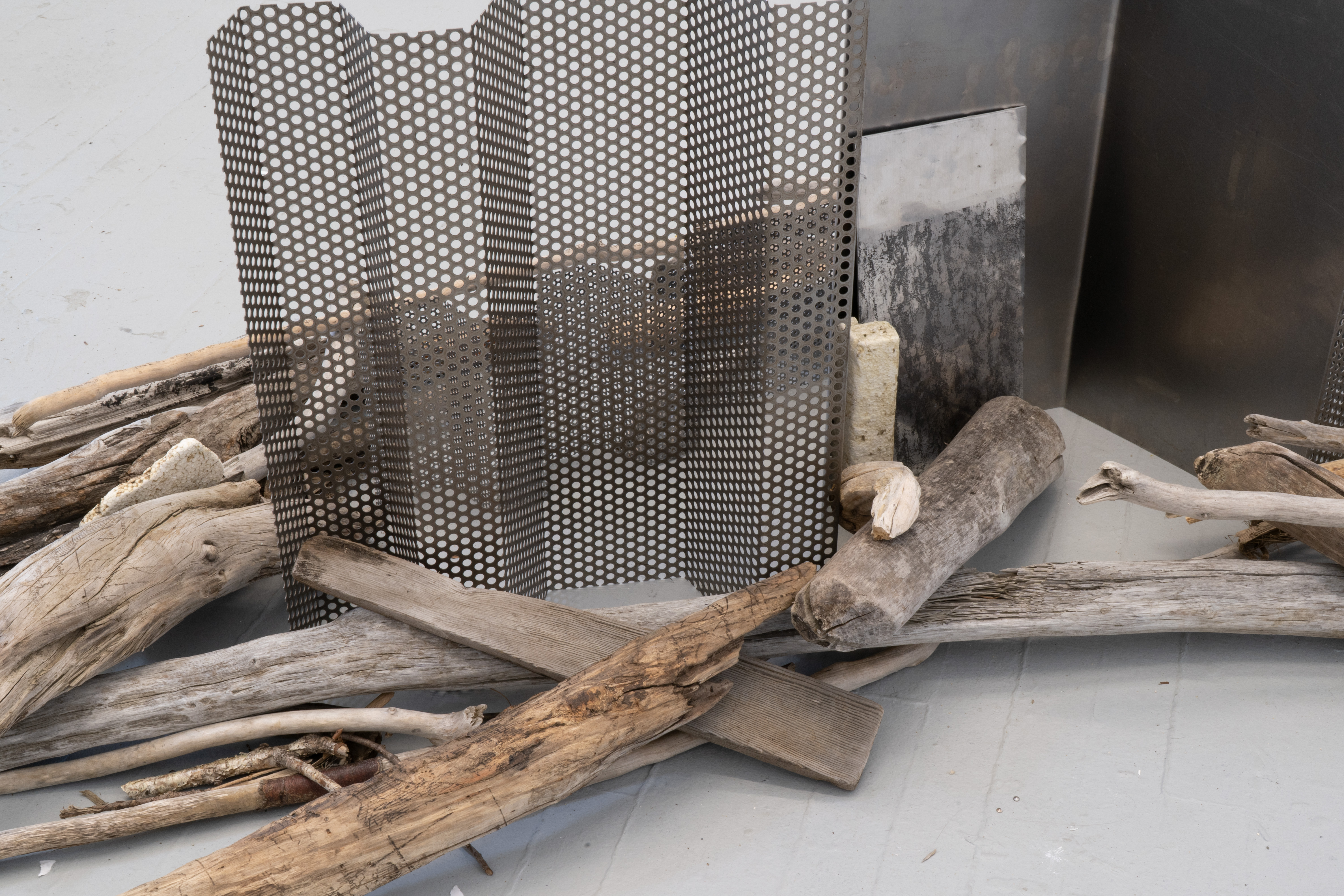
Alongside these photographs, I create composite sculptures inspired by industrial objects found along the river—utility access panels, bulkheads, flood barriers, and corrugated fencing. Their metal materiality echoes the region’s history of iron production and the broader industrial use of New York’s waterways. Constructed from metal, sandbags, and driftwood that are bent, pressed, and formed, these works incorporate image transfers of archival materials and my own photographs through screenprinting and paperlithography. Found images include scientific studies and measurement of sturgeon fish (native to New York) and photographs of everyday people touching black ash tree trunks that are facing major population decline. Sculptures of bulkhead barrier forms with images sourced from the Vermont Black Ash Inventory on iNaturalist highlight how important they are for flooding mitigation, even as they are threatened by the emerald ash borer. While original photographs of the Hudson River and it’s tributaries are abstracted or washed away on other panels. Their surfaces are further marked etched maps that merge visual languages—from subway maps to historic iron ore excavation diagrams—suggesting overlapping systems of navigation, control, and movement.
Central to my practice is an interest in the limits of environmental control: infrastructures that erode, barriers that fail, and systems that cannot fully contain natural forces. In contrast, I look to adaptive natural forms, such as ash trees that thrive in flood zones, as models of resilience. By drawing parallels between industrial structures and natural forms, my work explores the porous boundary between the built and the organic, emphasizing the interconnectedness of human and ecological systems.